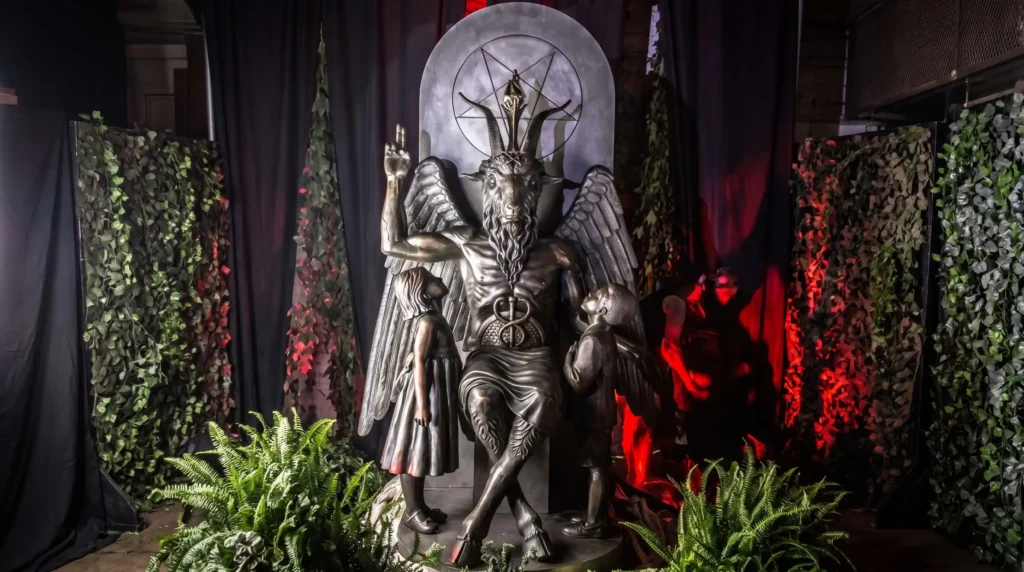
Baphomet: Why This Occult Symbol Is Not a Demon
Is Baphomet a demon? Explore the Knights Templar accusations, Éliphas Lévi’s original symbolism, alchemical meaning, and the architect of reality interpretation.
Demons are primordial consciousnesses that exist independent of the Abrahamic paradigm, serving as ancient repositories of specific archetypal forces and raw atmospheric energy. Within the system of Gnōsis Aei, these entities are understood not as inherent personifications of evil, but as profound catalysts for transformation that respond to the directed will of the practitioner. They represent the shadow aspects of the natural world and the human psyche, acting as gatekeepers to hidden knowledge and personal empowerment for those who approach them with mastery rather than submission. Learning to navigate these currents involves stripping away centuries of religious dogma to reveal the effective, underlying mechanics of their influence on reality.
Is Baphomet a demon? Explore the Knights Templar accusations, Éliphas Lévi’s original symbolism, alchemical meaning, and the architect of reality interpretation.

Working with Lilith: Invocations, Offerings, and Rituals Lilith embodies raw feminine power, rebellion, and shadow work in modern witchcraft, drawing from ancient Mesopotamian and Jewish folklore where she evolved from a storm demoness to Adam’s defiant first wife. Practitioners today invoke her for empowerment, sexual liberation, and breaking chains of oppression. Working with Lilith requires
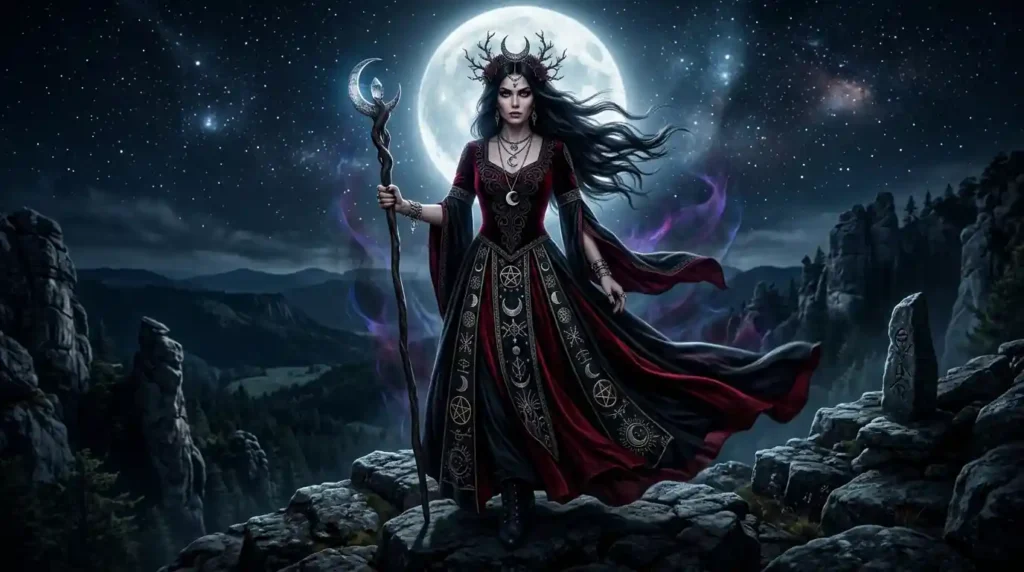
Lilith: From Ancient Demon to Modern Symbol of Empowerment No figure in the history of Western mythology has undergone a more dramatic transformation than Lilith. Over four millennia, she has been reinvented by every culture that encountered her — from a class of Mesopotamian wind spirits feared by Sumerian priests, to a demonic succubus dreaded
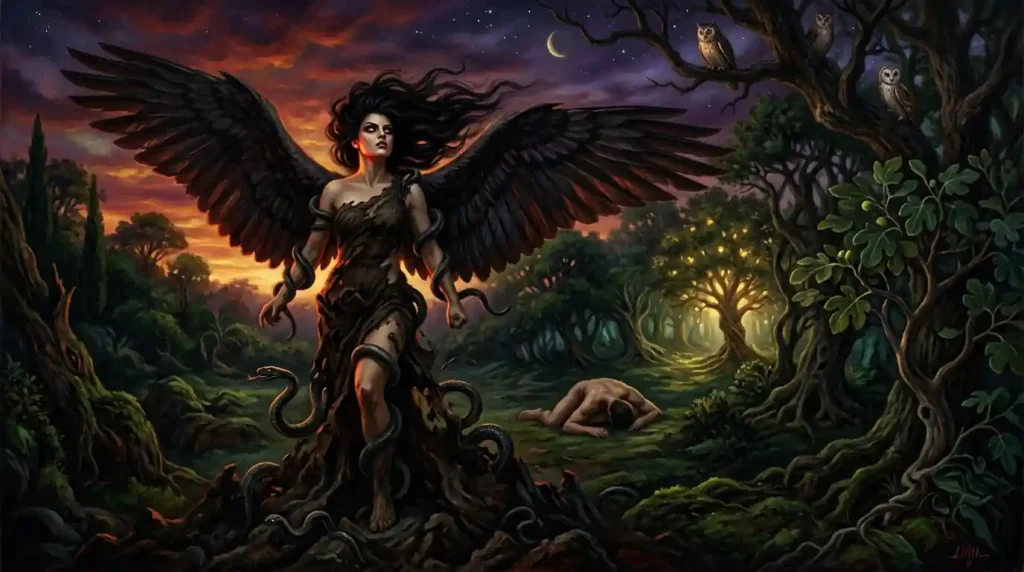
The Mesopotamian Origins of Lilith: Separating Fact from Fiction For over 4,000 years, the name Lilith has echoed through the mythology, theology, and folklore of civilizations spanning from ancient Sumer to the modern world. Yet the figure most people associate with Lilith — the rebellious first wife of Adam, the winged seductress of Kabbalistic lore,
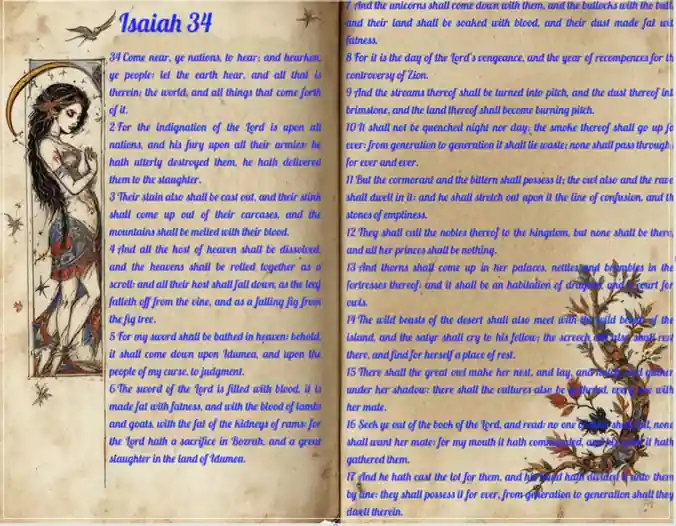
Lilith in Biblical Texts: Uncovering Ancient Truths The name Lilith has become one of the most recognizable — and most misunderstood — figures in the history of religious mythology. She appears on tattoos and tarot cards, in feminist manifestos and horror films, in occult ritual and academic scholarship. But what do the actual ancient texts
